Which Educational History Game Teaches Best on iPhone?
Most "history games" on the App Store are multiple choice quizzes with recycled questions. Most "educational games" are really just flashcards with a progress bar. We went looking for games that actually teach history in a way that sticks. Here are five worth your time.
Disclosure: We made Sorting History. We have tried to be fair to every app and game on this list, including pointing out where others are better than ours for specific use cases.
Quick Comparison
| App | Best For | History Depth | Format | Price |
|---|---|---|---|---|
| Sorting History | Timeline learning, cause-and-effect | 19 categories, 2,000+ events | Chronological sorting | Free / $1.99-$2.99/mo |
| Civilizations AR | Exploring historical artifacts | Curated Smithsonian collection | Augmented reality exploration | Free |
| Stack the Countries | Kids learning geography | Geography-focused, not history | Quiz + stacking puzzle | $2.99 |
| History: Quiz Game & Trivia | Quick history quizzes | 600 questions, 4 eras | Multiple choice | Free with ads |
| Timeline (Board Game) | Screen-free chronological sorting | 55-96 events per box | Physical card placement | $13-20 per box |
1. Sorting History
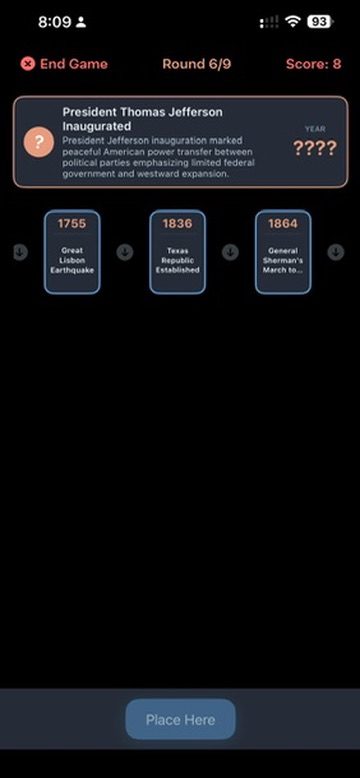
Best for: Students, homeschool families, and history enthusiasts who want to understand how events connect across time.
What makes it educational
Sorting History does not ask you to pick A, B, C, or D. It gives you historical events and asks you to arrange them in chronological order. This forces you to think about cause and effect, not just memorize isolated facts. When did the printing press come along relative to the fall of Constantinople? Was penicillin discovered before or after the first airplane? You build a mental timeline, and that timeline sticks.
After each round, the game shows you the correct order with dates and historical context for every event. You learn something whether you get it right or wrong. That feedback loop is what separates it from apps that just flash "Incorrect!" and move on.
Strengths
- Deep, researched content: 19 categories today, including US History, World Wars, Ancient Civilizations, European History, Scientific Discoveries, Sports History, Music and Entertainment, TV History, Food and Drink, Portuguese History, German History, Women's History, and South American History. Over 100 researched events per category, each with dates and historical context. 2,000+ events total. New categories ship by community vote.
- Teaches timeline thinking: Chronological sorting engages a different part of your brain than multiple choice. You learn relationships between events, not just isolated facts.
- Friendly mode for beginners: No penalties for wrong answers. Students can experiment and learn without fear of a bad score. Two points for correct placement, zero for wrong.
- Daily Challenge: A new challenge every day to keep learning consistent. Good for building a daily study habit.
- Two game modes: Sorting History (arrange events in order) and History Pinpoint (guess the exact year of an event, Historian tier exclusive).
- No timer: Students can take their time and think. There is no clock pressuring them to rush.
- Pass and Play multiplayer: 2-6 teams on one device. Great for classroom group activities or family game night.
- Works fully offline: No internet needed to play. Works on planes, in cars, in classrooms without WiFi.
- 7 languages: English, German, Portuguese, Dutch, Spanish (Latin American), Japanese, French. The app detects the device language automatically.
- New categories by community vote: New categories are added regularly, and players vote on which one comes next. The game keeps growing.
Limitations
- Focused on history. Not a general knowledge game.
- No online matchmaking. Multiplayer is local and WiFi only.
- 7 languages (English, German, Portuguese, Dutch, Spanish, Japanese, French).
- New app with a smaller community than established games.
Price: Free (15 categories, 1,600+ events, ad-supported). Explorer: $1.99/mo or $9.99/yr (all 19 categories, ad-free). Historian: $2.99/mo or $14.99/yr (all categories + epic categories + History Pinpoint game mode). Lifetime options available.
2. Civilizations AR (by Nexus Studios / BBC)
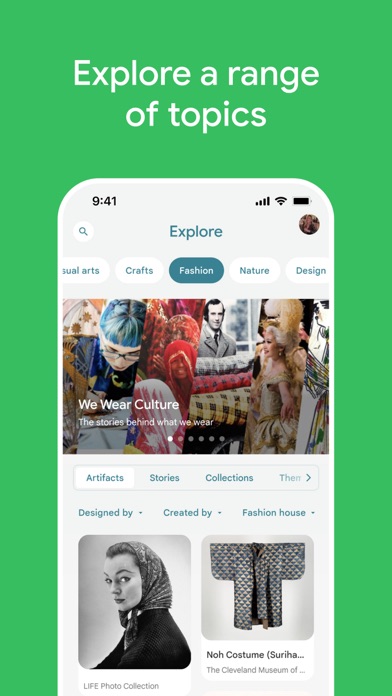
Best for: Visual learners who want to explore historical artifacts up close without visiting a museum.
Strengths
- Smithsonian partnership: Real artifacts from the Smithsonian collection, rendered in 3D with educational descriptions.
- Augmented reality: Place a Roman mosaic on your kitchen table or examine an Egyptian artifact from every angle. Genuinely impressive technology.
- Free with no ads. A rare combination for an educational app.
- Visual and tactile learning: For students who learn better by seeing and interacting than by reading, this is a strong tool.
Limitations
- Not a game. There is no scoring, no challenge, no progression. It is an interactive exhibit, not a learning game.
- Limited content. A curated collection, not a comprehensive history resource.
- Requires a device with ARKit support. Older iPhones and iPads may not work.
- No quizzes, no tests, no way to assess what a student learned.
- Development appears to have slowed. Content updates are infrequent.
Price: Free.
3. Stack the Countries / Stack the States
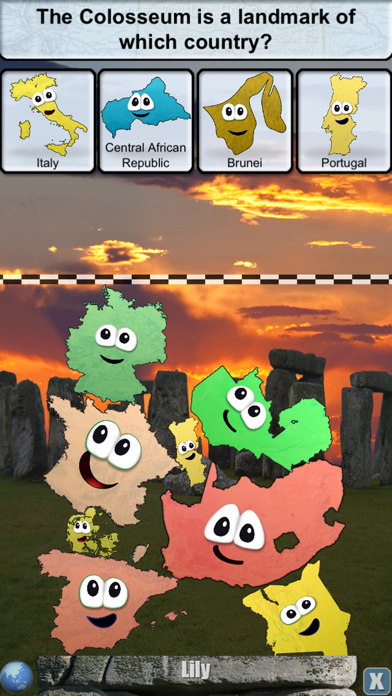
Best for: Kids (ages 6-12) learning geography fundamentals like capitals, flags, and landmarks.
Strengths
- Engaging mechanic for kids: Answer geography questions, then stack country shapes in a physics-based puzzle. The stacking mechanic keeps younger players entertained longer than flashcards would.
- Well-designed for children: Colorful visuals, simple controls, age-appropriate difficulty. Dan Russell-Pinson's apps are consistently well-reviewed by parents.
- One-time purchase: $2.99 each, no subscriptions, no ads. Pay once, no recurring fee.
- Offline: Works without internet.
Limitations
- Geography, not history. You learn capitals and flags, not historical events or timelines.
- Designed for younger kids. Teens and adults will find it too simple.
- Multiple choice quiz format for the question portion.
- Fixed content. No updates or new material added.
- No multiplayer.
Price: $2.99 each (Stack the Countries and Stack the States sold separately).
4. History: Quiz Game & Trivia
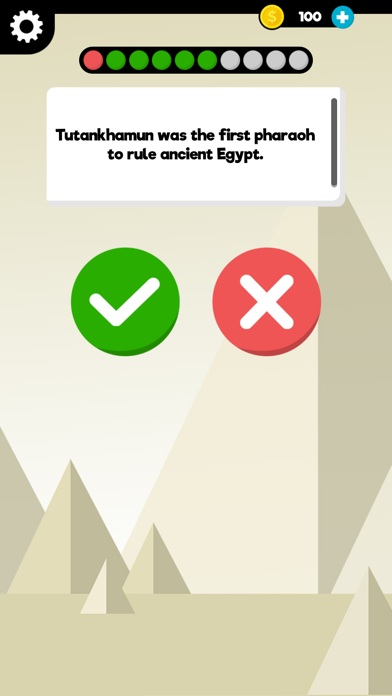
Best for: A quick, free history quiz when you have five minutes to kill.
Strengths
- History-focused: 600 questions organized across 4 eras (Prehistory, Ancient, Medieval, Modern).
- Simple and clean. No complicated menus. Open it and start quizzing.
- Free. No purchase required to access all content.
Limitations
- Standard multiple choice. Pick A, B, C, or D. No deeper engagement with the material.
- 600 questions is a small pool. Regular players will see repeats quickly.
- No context provided when you get an answer wrong. You see the correct answer but do not learn why it matters.
- 4 broad eras instead of specific topics. You cannot focus on a subject that interests you.
- No new content added. What you see is what you get.
Price: Free with ads.
5. Timeline (Board Game by Asmodee)
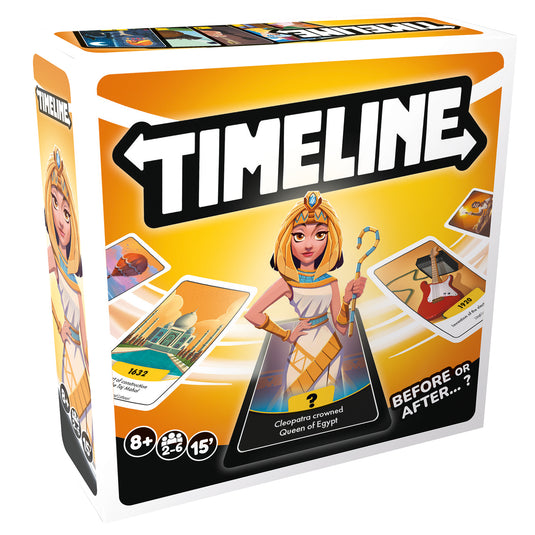
Best for: Families and classrooms who want a screen-free chronological sorting experience.
Strengths
- Same core mechanic as Sorting History: Place events in chronological order. Proven to be effective for learning timelines.
- Physical cards: Tactile learning. No screen fatigue. Students can hold the cards, discuss, debate placement as a group.
- No device required: Works anywhere. No battery, no WiFi, no accounts.
- Multiple themed editions: Inventions, Music and Cinema, Historical Events, and more. Mix editions together for variety.
- Great for group activities: Natural conversation starter. Players discuss and argue about dates, which deepens learning.
Limitations
- 55-96 events per box. Once you have memorized the cards, the educational value drops sharply.
- New content means buying more boxes at $13-20 each. Costs add up.
- Cards wear out, bend, and eventually show date imprints through the back. Replacement is not practical.
- Requires in-person play. No solo mode. No remote play.
- No difficulty adjustment. The same cards are the same challenge every time.
- No additional context on the cards. You see the event name and date, but no description of why it matters.
Price: $13-20 per box.
Read full comparison: Sorting History vs Timeline Board Game
How to Choose
Want your students to learn historical timelines?
Sorting History. Chronological sorting teaches cause-and-effect thinking. 19 categories, 2,000+ events, Friendly mode with no penalties, no timer. Students learn the order of events, not just isolated facts. Works offline, so no school WiFi needed.
Want a hands-on museum experience?
Civilizations AR. It is not a game, but it is a genuinely impressive way to explore historical artifacts in 3D using your phone's camera. Free, no ads. Best as a supplement to other learning, not a standalone tool.
Want geography games for younger kids?
Stack the Countries. Purpose-built for ages 6-12. Teaches capitals, flags, and landmarks through a fun stacking mechanic. One-time purchase, no ads. Not history, but strong for geography fundamentals.
Want deep content you will not exhaust quickly?
Sorting History. 2,000+ events across 19 categories, with new categories shipping by community vote. Compare that to 55-96 events per Timeline box or 600 fixed questions in History Quiz. The content library keeps growing.
Want a screen-free option for the classroom?
Timeline board game. Physical cards, no devices needed. Students can hold, discuss, and debate card placement as a group. Buy a couple of editions and mix them together for variety. Budget $26-40 for two boxes.
Want a daily learning habit?
Sorting History. The Daily Challenge gives students a new puzzle every day. Short enough to fit into a morning routine or the start of a class period.
Want a free option with no strings?
Civilizations AR (completely free, no ads) or History: Quiz Game & Trivia (free, has ads). Sorting History also has a generous free tier with 15 categories and 1,600+ events.
Try Sorting History Free
15 categories, 1,600+ events, three difficulty levels, works offline. Available now on iPhone and iPad.
One email at launch, then only when new categories drop. Unsubscribe anytime.